
2023 Shortlist | Depden Care Farm

Depden Care Farm
Winner – Improving Impact: Charities with 4-30 paid staff
About the Charity
The vision of Millennium Farm Trust (MFT) is that everyone, whatever their ability, has access to meaningful work that builds self-esteem, self-confidence and self-care and has a place where their contribution to their community is valued and respected.
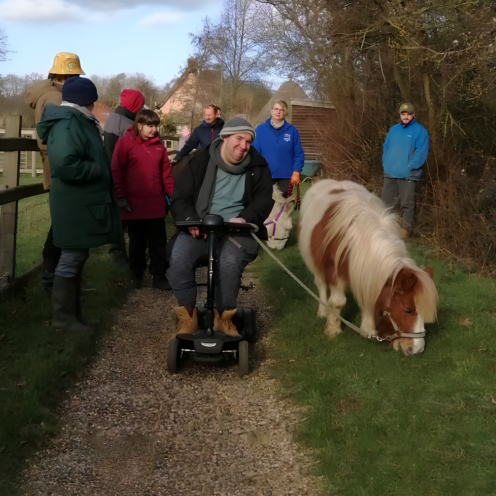
Based in West Suffolk, MFT runs Depden Care Farm to support adults with additional needs to live fulfilling lives by providing learning programmes and meaningful work opportunities in animal husbandry, agriculture and horticulture. The farm has a range of farm animals, large and small, as well as market gardens and an orchard. Activities are seasonal and varied, but include looking after the animal and crops, farm maintenance and participating in environmental projects. The farm is wheelchair accessible and supports people with a range of additional needs including learning disabilities, autism, acquired brain injuries and dementia.
Charity number: 1070145 | Depden.com
Disability Support Services | England – East of England | 4-10 paid staff
What the Board Achieved
In 2017, the Depden Care Farm experienced significant growth (nearly tripling the number of sessions it provided since 2014). But then the organisation hit a plateau and MFT trustees recognised that they needed to make some changes. In 2018, the MFT board initiated an evaluation to help it understand what outcomes beneficiaries and service commissioners most wanted from their experiences at Depden Care farm. As a result, trustees were able to identify both strategic and operational issues preventing beneficiaries from realising their ambitions. The board took corrective action to remove these barriers, developing a three-year plan that involved staff training, changes to operational procedures and some very significant fundraising to improve farm accessibility. It also adopted RARPA (Recognising and Rewarding Progress and Achievement) as a system for driving delivery of the MFT mission and to evidence the progression of the charity’s service users.
At the start of the programme, beneficiaries are invited to identify how they would like to use the farm to support their life goals. Personalised learning programmes are put in place to support those goals, and their progress is monitored through the Core Farm Skills Progression Framework; where appropriate, they are given more traditional vocational syllabus-based training. Since the introduction of the programme, all beneficiaries are on the programme. In 2022, 88% celebrated their progress with Certificates of Achievement. Around 50% of beneficiaries go on to the contract team and deliver small garden works for local people as a stepping stone into employment. Of those people managing their mental health or mild autism through attending the farm, approximately 75% went on to employment or to volunteer elsewhere.
“Over the past years my son has blossomed like never before. He has become happier, more confident, and his self esteem has increased immeasurably. For the first time ever, my son is working as part of a team. He has friends.” KG, mother of the beneficiary.
The board agreed reasonable targets and allocated resources to enable staff to have the time to take on new roles and responsibilities. Trustees used their expertise to train staff in the delivery of RARPA and supported the director through coaching to ensure targets were delivered. The board monitored delivery through monthly reports and undertook quarterly audits to help maintain momentum. The programme is now embedded as part of the farm’s everyday business.
The success of the board’s approach, rooted in research and developed alongside the staff team, has had a profound impact on how the board delivers its business. It has developed its understanding of strategic leadership and recognised that it has the capability to deliver impactful change.
Last year the board commissioned further research to understand how its impact and mission could be better communicated to local, regional and national decision makers. Conversations with service users, commissioners and a benchmarking exercise augmented the approach. A working group was established to analyse the results and gaps in the board’s competencies, to be addressed through a trustee recruitment campaign.
