
2020 Shortlist | Open Road

Open Road
Shortlist – Improving Impact – charities with 26+ paid staff
Who they are
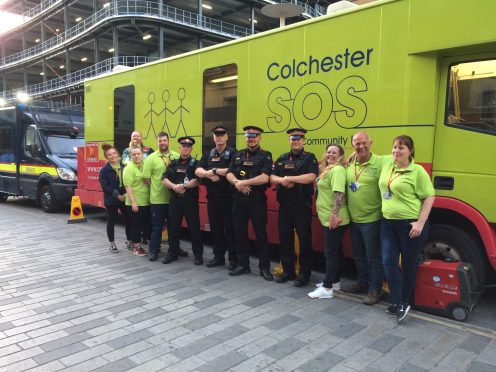
Open Road, now in its 30th year, started from humble beginnings. Founders Richard and Bridie Ashrowan set up a non-judgemental drop-in service in 1990 to support people in the grip of substance misuse. Open Road developed rapidly from there and now offers a multitude of free support to vulnerable people, their families and communities in Essex and Medway. Services include the Essex All Age Recovery Coordination Service (offering drug and alcohol treatment support); SOS Buses in Chelmsford, Colchester and London; the Medway Young People’s Drug & Alcohol Service, Medway Recovery & Wellbeing Adult Service; and criminal justice welfare projects such as HMP Cookham Wood service, Essex Appropriate Adult service, Essex Women’s Service, and Border Force.
From small beginnings, Open Road’s goal remains now as it was – to help vulnerable people in local communities.
What they’ve achieved
Since Open Road launched in November 1990, its main identified impact was in supporting increasing numbers of vulnerable people, also positively impacting on each client’s family and local community. The board has focused on increased diversification (geographically, and within other sectors such as criminal justice) among trustees to inform and improve its work, and increase its impact. The board identified shortfalls in local services that the charity was capable of filling. For instance, it became clear that the charity was not reaching some vulnerable groups — known to other sectors, such as criminal justice — and the charity determined that this needed to be addressed. Trustees’ diverse professional backgrounds across sectors (including criminal justice and recovery) have directly informed the charity’s strategic expansion of services and improved impact.
In 2009/10, the charity helped 2,037 people in Essex to combat drug and alcohol issues. By 2018/19, Open Road was helping more than 11,000 people through a wider range of services (including support for the criminal justice sector and public welfare) and across a greater geographical spread.
The board’s adaptive and robust approach has helped it improve its performance and reach while working in a challenging environment.
Why they were shortlisted
Judges appreciated Open Road’s strong quantitative and qualitative data collection mechanisms, which contributes to a good understanding of the charity’s clinical outcomes. Trustees have developed strong governance mechanisms that include regular reporting by the Operations Director as well as in-depth and focussed discussions in sub-committees — which are organised with clear goals and forced to take an integrated approach to achieving those goals by regularly reviewing impact on staff, clinical administration and funding. Last year, Open Road commissioned an Evaluation Report that should help the board continue to improve outcomes and impact.
