
2020 Winners | St Mary’s Hospice

St Mary’s Hospice
Winner – Improving Impact – charities with 26+ paid staff
Who they are
St Mary’s Hospice provides care and comfort for those living with any life-shortening illness or long term condition, supporting patients from the moment of diagnosis and their families for longer.
St Mary’s Hospice provides care and comfort for those living with any life-shortening illness or long term condition, supporting patients from the moment of diagnosis and their families for longer.
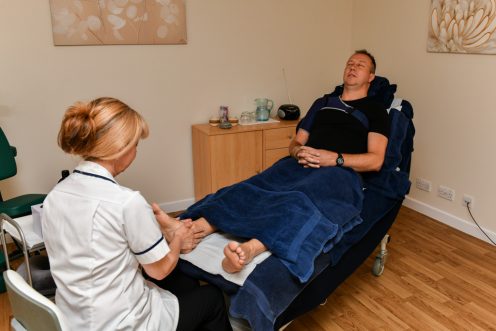
The charity provides respite, specialist palliative and end-of-life care; end-of-life care in patient’s own homes; emotional support both before death and in bereavement; and complementary therapies and education. The hospice aims to help people stay independent for as long as possible, avoiding unnecessary admissions to hospital. It provides opportunities for those with advancing illness to meet others, learn new skills, be masters of their own lives and enjoy life to the full before dying with grace and ease. The motto is ‘Making the difference that matters most’.
What they’ve achieved
The St Mary’s Living Well Centre outreach project opened in November 2018. The building is in Barrow in Furness, a local conurbation which suffers from high levels of health deprivation and poverty. People there die 10 years younger than other local populations, and 61% of those over 65 have a disability. Despite the deprivation data, the hospice experience of Barrow was that its population were generous, strong and community minded, and the Well Centre provides a base where those local strengths can be concentrated to support those living with advancing illness and social isolation. St Mary’s works in partnership with other organisations to bring the hospice closer to those who might previously have felt it was not for them, creating pathways for potential beneficiaries to access services.
The hospice aimed to increase contact with those it was not yet reaching through social time, health education, emotional support and recreational activities. Since opening, it as developed partnerships with 11 other groups and organisations (such as the MNDA, MS Society, Parkinson’s Society, Dementia Hub, and more). As the largest local charity, it carried the load of certain costs and volunteer support. Working side by side has enhanced relationships and increased mutual understanding. Groups which previously only met monthly can now meet more often without additional costs; refreshment costs are underwritten by the hospice and an accessible environment eases attendance. Hospice bereavement group members have continued to meet to craft together after the fixed support ended. Those attending groups talk of the positive impact on their mental well-being of the friendships they have made. Some speak of how increased knowledge has helped them better manage their health condition. The Well Centre is recording footfall as high as 250 people per month. Feedback from those using the building indicates it contributes to feelings of well-being and connectedness.
The hospice board has developed a robust governance structure that continues to evolve and improve. Trustees challenged staff from the outset to develop effective and meaningful ways of measuring success. Recognising how difficult measuring impact can be, the board worked with staff to identify key problems and solutions to improve their data collection processes. Today, board meetings include a review of key dashboards, reporting from sub-committees and discussion of impact measurement tools and quantitative service data. Twice a year the board away days enable trustees to discuss strategic issues and reflect on future opportunities or challenges.
Why they won
Judges admired the open and collaborative approach to reporting and continuous learning that the board demonstrated. The spirit of collaboration was particularly evident in the development of a project delivery steering group that ensured all partners were working together closely to achieve the best possible outcomes for service users. The willingness of the board to openly discuss mistakes, revisiting and reflecting on the charity’s operations, showed a spirit of humility and an appetite for continuous learning and improvement.
